In the globalized wave, cross-border payments are expanding constantly. Central Asia, with its booming cross-border trade and economic cooperation potential, is emerging as a key market. SuperPay now covers the five Central Asian countries: Uzbekistan, Kazakhstan, Kyrgyzstan, Tajikistan, and Turkmenistan, helping businesses expand there.
These five countries are strategically important in global payments. They have a great location, rich natural resources, a growing economy, and rising consumer demand. As smartphones and the internet become more common, e-commerce in Central Asia is taking off, leading to a higher payment demand. SuperPay’s entry offers strong payment support for businesses.
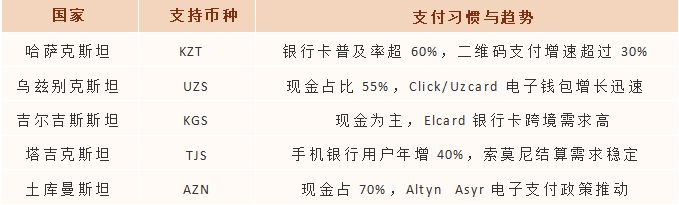
Full Coverage: It supports major currencies and payment methods in Central Asia, meeting diverse business needs.
Safety and Efficiency: Advanced payment and encryption technologies ensure transaction security. Also, fast and convenient cross-border transfers improve capital turnover.
Professional Service: A dedicated customer service team provides one-on-one tailored services to solve payment problems in the Central Asian market.
The cross-border payment market in Central Asia is full of opportunities. SuperPay is committed to empowering businesses to achieve remarkable success there. Together, let’s create a promising future for cross-border payments in Central Asia.